
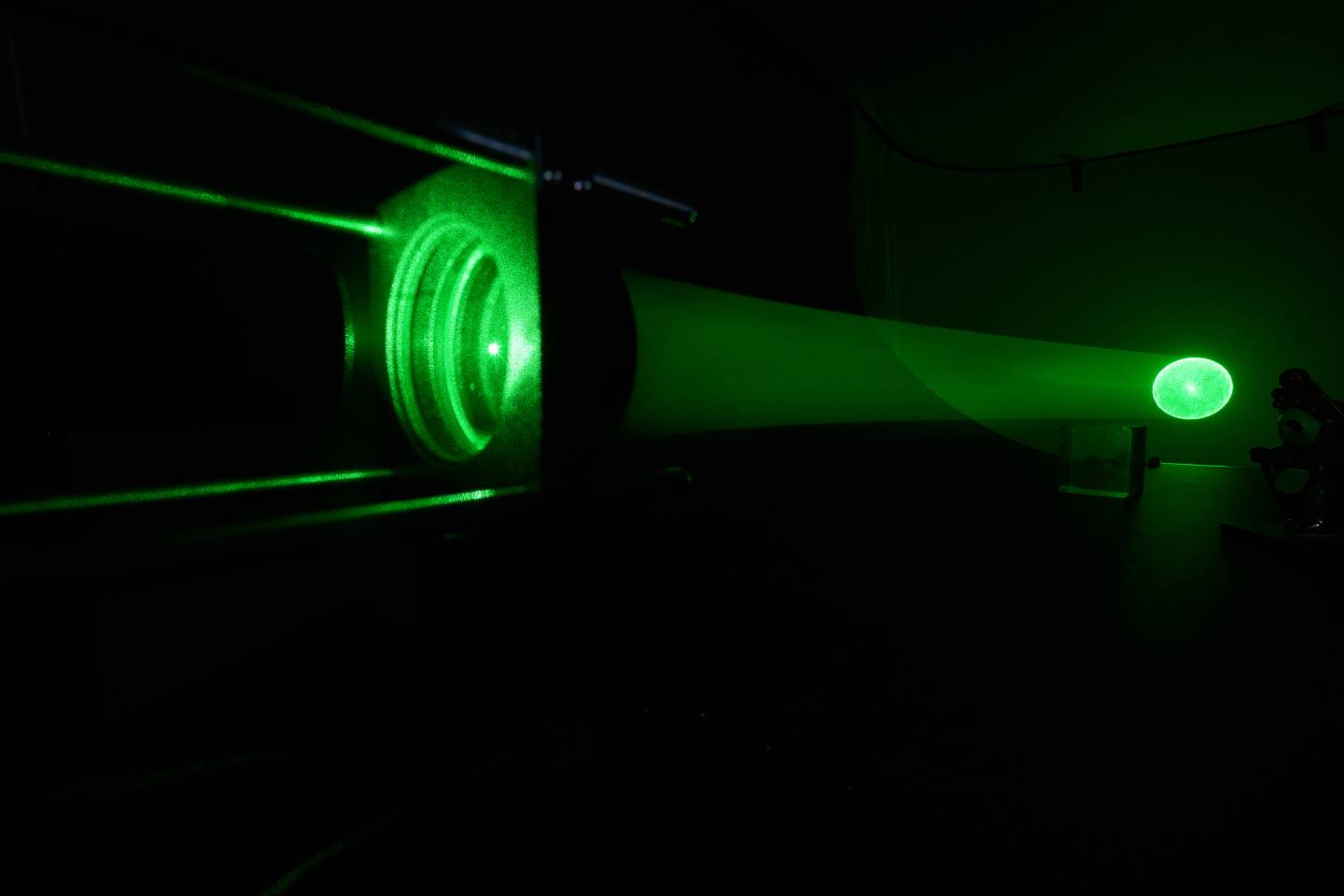
Highlights
Pseudo Non-Diffractive
Utilizes wavefront shaping for precise control of beam core divergence, achieving figures as low as 10 microradians.
Compact and Adjustable
Features a highly compact central spot size, as small as 0.01 mm at 3 meters distance. Shape of the beam can be adjusted, including the creation of a hollow beam.
Self-Reconstruction
Employable in challenging environments due to self-healing properties.
Patented Technology
Patent No. US20210191134A1, EU patent pending, second patent application to be filed.
Keywords
Structured laser light, longdistance propagation, hollow beam, layer beam, low diffraction, low divergence.
Structured Laser Beam is a low-cost laser that produces a non-diffractive beam (NDB). The beam profile remains unchanged even if it propagates over a long distance.
Originally used at CERN for ultra-precision alignment, it has further potential applications in metrology, interferometry, communication, for optical tweezers and in marking of packaging.
Explore the technology specifics:
What is it? Technical description
SLB is a low-cost laser that produces a non-diffractive beam (NDB) that has very low diverge and can maintain the Bessel-like beam and spot sizes for long distances.
What is non diffractive beam?
A non-diffractive beam was first proposed by Durnin et al. in 1978 as a light beam having a transverse intensity distribution that can be modeled using a Bessel function. The beam profile remains unchanged even if it propagates over a long distance.
Current methods of generating Bessel beams are using Axicons, annulus holes, holography methods and using fibres. However, the major shortfall of these current state of art methods are that they are limited to very short distances.
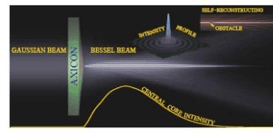
What is a bessel beam? A Bessel beam is a focus high intensity beam a at the centre. There is central spot where all the energy is concentrated. The intensity distribution is not uniform or controllable.
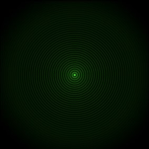
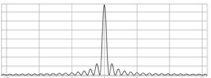
Where as the Gaussian beam profile looks like →
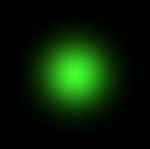
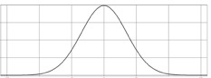
So, why is this called the Structured Laser Beam? The characters of the CERN technology is very similar to the Bessel Beam. However, the uniqueness is that the rings around the central spot can be controlled and tuned. The size of the central beam, the divergence of the full beam and the distribution of the rings – all of them adjustable based on applications.
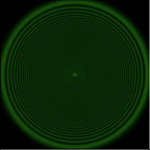
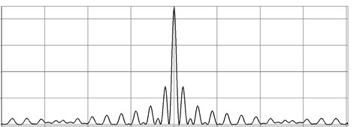
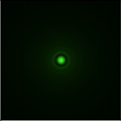
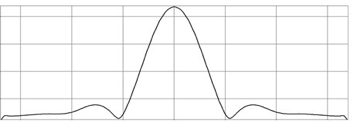
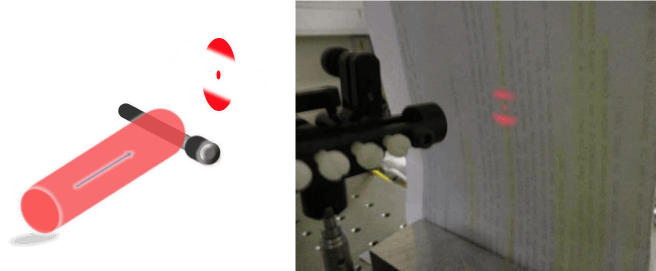
SLB Principle of operations A special wavefront shape is created by using different optical paths by using very high index optical elements.
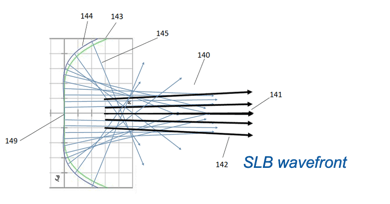
The beam profile generated after the generator is a continuous line
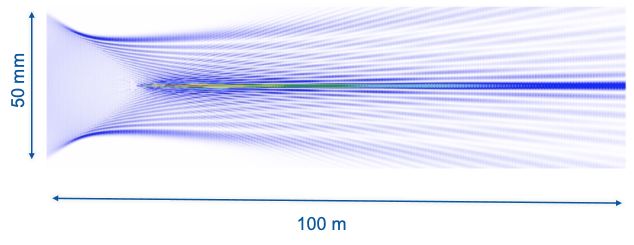
The SLB self reconstructs when the path is an obstacle. This has many applications where the laser has to travel where there are either known obstacles or unknown ones. For example, in medical applications (where there might be a known obstacle) or in telecommunications – free space optics where there might be unknown obstacles.
Advantages
The benfit of using the technology is:
- Low-cost
- Extremely compact spot size and very low divergence
- Non-diffractive over long distances
- Self-constructive after obstacles
- Robust to jitter, vibrations, and variations on the angle of the input beam
Applications
The technology can have many applications in:
- Alignment – Original use case at CERN for ultra precision alignment
- Metrology
- Expected cost
- Interferometry
- Communication
- Optical tweezers
- Marking of packaging
A startup from Netherlands is using SLB for engraving/marking applications. They have a working. Prototype and customers who are trialing their product for marking boxes.